



Buying a house in Australia was one of the most stressful things Steve and I have ever done, mainly because we had absolutely no idea what we were doing when we started.
After five years of saving and eventually looking at around 100 houses in just a few months, we finally bought our home in the Sunshine Coast Hinterland.
In this guide, I’m sharing what we learnt about deposits, mortgage pre approval, choosing a mortgage broker, house hunting, building and pest inspections, making offers and settlement.
1. Speak to a mortgage broker way before you’re ready

If I could go back five years and change one thing, I’d speak to a mortgage broker much earlier. We knew we needed to save for a house deposit, but we didn’t really understand what those savings translated into. We had no real idea what we could borrow, what loan repayments might be comfortable, how stamp duty and other upfront costs fitted into the picture or whether the savings target we’d set ourselves even made sense.
We assumed there was no point speaking to anyone until we were financially “ready”, but looking back I think that was completely the wrong way around.
I wish we’d booked a free initial call with Hunter Galloway years before we were ready to buy. Even if they’d told us we had another few years of saving ahead, at least we would have understood how much we needed, what could affect our borrowing capacity and what we could do to put ourselves in a stronger position.
We eventually spoke to several brokers before choosing Hunter Galloway. We’d already watched loads of videos on the Hunter Galloway YouTube channel, which was one of the reasons we felt confident speaking to them.
2. Don’t assume you need a 20% deposit

I had 20% completely lodged in my head when we first started thinking about buying a house in Australia. I assumed you saved 20% of the purchase price, went to a bank, got a home loan and then bought a house.
In reality, there are more options. A 20% deposit can help you avoid lenders mortgage insurance, but that doesn’t mean every home buyer needs to wait until they have exactly 20% before starting the buying process. Some lenders offer low deposit loans, while eligible buyers may also qualify for government support and first home buyer grants.
We spent around five years saving and used the 2.0 Advanced CoPlenty finance spreadsheet (get 10% using my code: ANNABEL10) to track where our money was going.
“Looking back, I wish we’d combined all that saving with professional advice much earlier instead of effectively inventing our own target.”
Hunter Galloway’s deposit calculator is useful for getting an initial idea of how your savings might relate to the property value you’re hoping to buy. More importantly, I’d speak to a broker before deciding you’re years away. Knowing whether you need another $20,000 or another $100,000 changes how you plan.
3. Get mortgage pre approval, but don’t treat your borrowing capacity as your budget
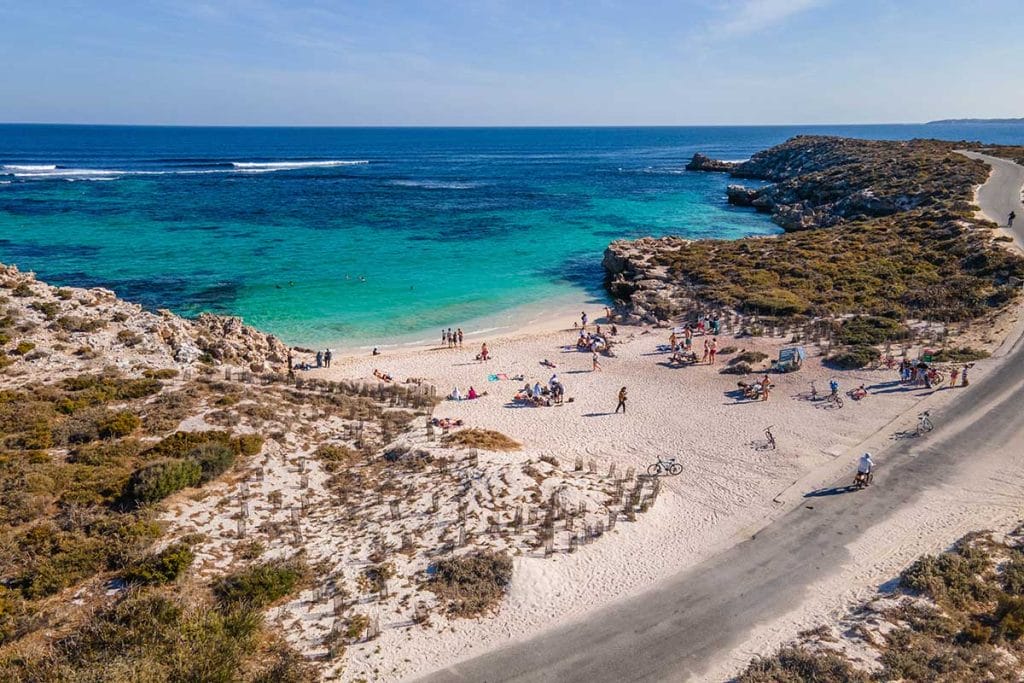
This was a huge learning curve for us because we originally wanted to spend up to $900,000, which already felt like an enormous amount of money. Once we started looking seriously though, the quality of what we were seeing around that purchase price was pretty disappointing for what we wanted.
A lot of homes needed major work, had layouts we hated or had been given cheap renovations that we knew we’d probably rip out and redo anyway. We didn’t want to buy a cheaper house simply because it fitted our original budget and then spend a fortune fixing somebody else’s rushed renovation.
As we understood our finances better, our borrowing capacity was accepted for over $1.4 million. That didn’t mean we suddenly wanted to spend $1.4 million. It meant we could stop wasting time inspecting houses that were never going to work for us and start looking at better-quality properties.
Mortgage pre approval can help establish an affordable price range, but it isn’t final approval and I wouldn’t treat the maximum borrowing capacity as a spending target. You still need to think about your actual life, including whether you could handle higher interest rates, ongoing costs and unexpected repairs.
Hunter Galloway’s mortgage calculator is useful for seeing how different loan amounts and rates can affect repayments.
4. House hunting becomes a stressful full-time job very quickly
I completely underestimated how consuming the property search would become. Once we got serious, it basically took over our lives. We were checking every property app all day, every day and constantly ringing real estate agents to ask what was coming up, what had fallen over and whether anything was about to be listed.
We looked at around 100 houses within a few months and got to know quite a few local real estate agents. That actually helped because once they knew we were serious buyers, some started calling us before properties went online.
At one point, we were even offered first dibs on a property that looked like Steve’s absolute dream home on paper. It had loads of the things he thought he wanted, but as soon as we saw it properly he knew it wasn’t us.
Then we walked into the house we eventually bought and had almost the opposite experience. If you looked at every room separately, it wasn’t exactly what we’d imagined, but collectively the house, land, cottage, garden and location all made sense. I knew almost immediately that it was right for us.
That’s why I’d keep a list of genuine non-negotiables, preferences and nice-to-haves, but expect it to change. After enough property inspections, you start realising what actually affects your everyday life and what only sounded important when you were scrolling through listings.
5. Changing where we looked changed everything
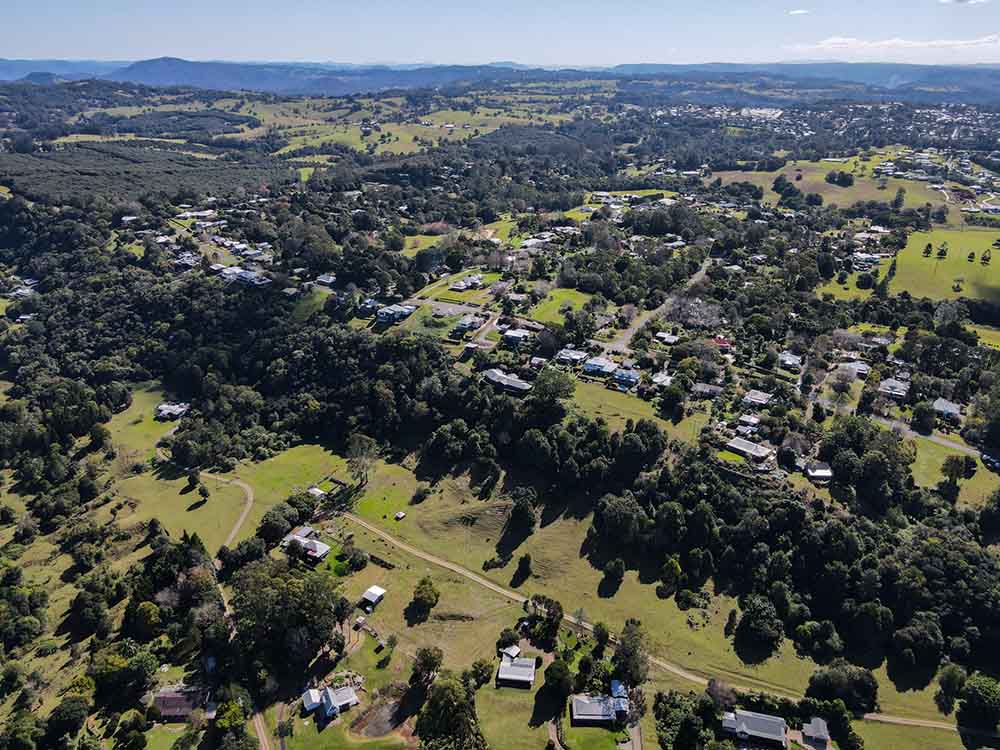
For a long time, we were thinking about buying a house in Australia through the lens of where we thought we were supposed to live. The more we saw what our money would actually buy, the more we questioned whether we were searching in the wrong places.
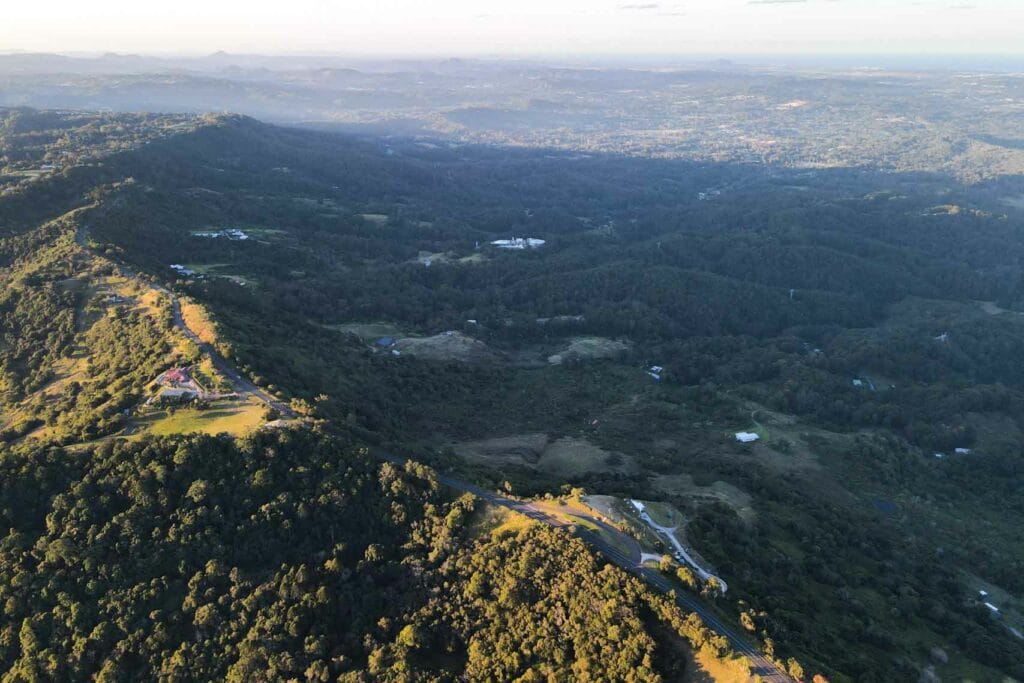
Eventually, we moved our property search from the beach areas to inland and started seriously considering the Sunshine Coast Hinterland. That completely changed what was possible because we ended up with around 3,000 square metres of land, a separate cottage, space, greenery and a lifestyle we simply couldn’t have afforded in Sydney where we used to rent a very small one bed flat.
When people talk about moving regional, the conversation often centres on house prices and affordability, but for us the emotional side ended up being just as important.
We wanted to live somewhere where we felt like we belonged. Having lived in Buderim for four years, we didn’t make any friends. We had always heard that the Maleny area was well known for being home to a good community.
That’s why I think people who feel priced out of a city should ask whether buying property is impossible, or whether buying property where they currently live is impossible. Those are two very different things.
6. Your purchase price isn’t the true cost of buying
When you’re looking at residential real estate every day, the purchase price becomes the number you obsess over like we did, but it isn’t the only one you need to consider. There can be plenty of upfront costs around a property purchase, including your house deposit, stamp duty, conveyancing or solicitor fees, building and pest inspections, lender fees, moving costs and potentially lenders mortgage insurance.
Then there are the ongoing costs after settlement. Depending on what you buy, you may need to budget for council rates, home and contents insurance, maintenance and possibly strata fees or body corporate fees. Land tax may also be relevant depending on the ownership structure, property and how it’s used. If you’re buying an investment property, other ongoing expenses such as landlord insurance may apply as well.
This is another reason I’d be careful about treating your maximum home loan as your maximum budget. Owning a property still costs money after the mortgage begins, and we didn’t want to spend everything we possibly could buying the house and then have nothing left to actually enjoy living in it.
7. Learn enough about home loans to ask the right questions

Before buying, I knew embarrassingly little about mortgages. Principal and interest, interest only loans, fixed and variable interest rates, offset accounts and redraw all sounded incredibly dull until we were about to borrow a serious amount of money.
You don’t need to become a mortgage expert, but understanding the basic loan features helps you ask better questions. There isn’t one perfect home loan for everyone, which is why looking only at the lowest advertised rate isn’t enough. We found the Hunter Galloway YouTube channel useful because their videos helped us understand the terminology before we had to make any decisions.
8. Asking price, purchase price and property value aren’t necessarily the same

Once we were properly immersed in the property market, we realised very quickly that the asking price, purchase price and property value aren’t necessarily the same thing.
- The asking price is what the seller wants
- The purchase price is what somebody eventually agrees to pay
- The market value is what the property may reasonably be worth based on current market evidence
Your lender may also have its own view after carrying out a valuation.
When there are several interested buyers and limited housing stock, the final price can easily end up higher than you expected. We experienced that constantly and every time we missed out on a house, it became tempting to push the budget higher on the next one because we felt property prices were moving around us.
Try to keep looking at comparable recent sales and understand what’s actually happening in the local property market rather than letting one aggressive asking price reset your idea of value.
9. Build relationships with real estate agents

Real estate agents became a massive part of our lives because we were constantly calling them, asking about upcoming listings and trying to work out whether something might suit us before spending yet another weekend driving around inspections.
Because we were looking so intensely, we became friendly with quite a few agents and that genuinely helped. Some started contacting us before homes were widely advertised because they knew we were serious buyers and ready to move.
You still have to remember who the selling agent represents though. They’re working for the seller, not you (we learnt this the hard way). Build relationships, ask questions and make sure they know you’re an interested buyer, but don’t treat them as your independent adviser.
The people I’d rely on for independent help are your mortgage broker, conveyancer or solicitor, building inspector and any other specialists you’ve chosen to represent your interests.
“For us, Hunter Galloway were the only people we trusted throughout the entire home buying process.”
10. Understand the sale process before making an offer

Depending on the sale, you might be buying through private treaty, a private sale or at auction. With a private treaty purchase, you may have more opportunity to negotiate the asking price, settlement period and conditions around finance approval or building and pest inspections.
The buying process and cooling off period vary between states, which is why legal due diligence matters. A conveyancer or solicitor can review the contract of sale, investigate the property title and explain any unusual conditions. Have somebody lined up before you find your dream house because once you want to make an offer, everything can move quickly.
Auctions are different again. I’d go to a few auctions before your own auction date just to see how they work. You may need to pay a substantial deposit immediately if you win, commonly around 10% depending on the contract, so make sure your mortgage pre approval, legal checks and building and pest requirements are sorted beforehand. We didn’t buy our home through an auction.
11. Never underestimate building and pest inspections

One of the houses we loved looked great when we inspected it and we’d already started mentally working out what we’d do with the rooms. Then the building inspection came back and we had to walk away which was so gutting.
It was horrible because emotionally we’d already started imagining ourselves there, but I’m incredibly glad we did it because there was so many things wrong with the place. Building and pest inspections can uncover structural problems, water damage, pest activity and other issues that simply aren’t obvious during a normal open home.
Depending on the property, you may also need to investigate flood zones, bushfire risk, septic systems, swimming pools or other potential problems.
This is one of those upfront costs I’d never resent paying. You’re making an enormous financial commitment, so spending money to understand what you’re actually buying can help you avoid costly mistakes later.
If the place has a swimming pool, definitely get a pool inspector to check it out. The house we loved had an amazing pool but we then found out it was all crumbling away.
12. The house that looks perfect on paper might not be the right one
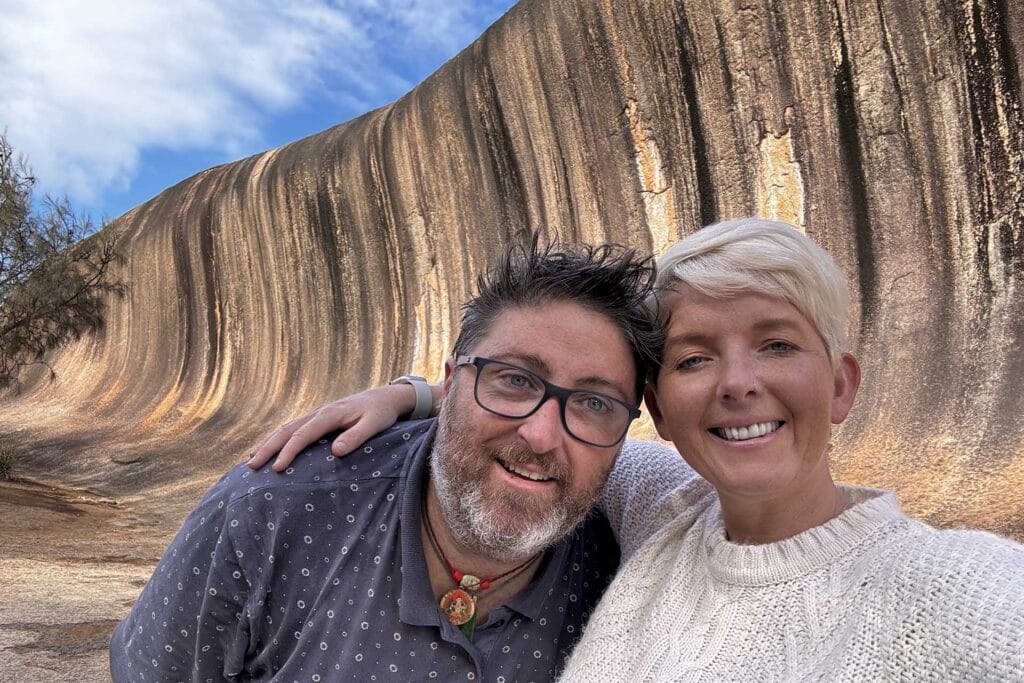
The property we were offered first dibs on is a really good example. On paper, it was Steve’s dream home and had loads of the things he’d spent months saying he wanted, but when we saw it properly he knew almost instantly that it wasn’t right for us.
Then we walked into the house we eventually bought and had almost the opposite experience. If you judged each individual room separately, it wasn’t necessarily what we’d imagined, but collectively the land, cottage, garden, house, location and overall feeling all worked together.
After looking at around 100 houses, I think you get better at recognising the difference between something impressive and something that actually feels like home. Obviously emotion shouldn’t override affordability, building and pest inspections or market value, but if you’re buying somewhere to actually live rather than purely purchasing an investment property, I do think the emotional side matters too.
13. Our eventual property purchase became a complete mess
This is where having Hunter Galloway involved really mattered. We found the house we live in now and had our offer accepted, then Steve panicked and we pulled out the next day. I was devastated.
We spent another month looking and eventually found another house that ticked loads of Steve’s supposed dream-house boxes. Weirdly, seeing it made him realise the original house was actually what he wanted too. There was one fairly major problem: we’d already pulled out.
We had to go back to the sellers and convince them we were serious. We even made them an apology video, which I still can’t believe we did, but somehow they agreed to take us back.
Throughout all of this, Hunter Galloway went above and beyond for us. Plans changed, dates changed, we had endless questions and our stress levels were ridiculous, but they consistently helped us understand what was happening with the finance.
They were honestly the only people we completely trusted throughout the process.
That’s why I wish we’d had our free initial consultation with Hunter Galloway years earlier.
14. Pre approval, final approval and settlement for buying a house in Australia

Mortgage pre approval is an initial indication that a lender may be prepared to lend you up to a certain amount based on the financial information they’ve assessed. It doesn’t mean you have confirmed finance for every residential property up to that amount.
Once you’ve chosen a property, the lender may still need to assess it, carry out a valuation and review your loan application before giving finance approval and final approval. That matters because the contract can include deadlines around finance, so make sure you know exactly what needs to happen and by when.
Once finance is approved and the contract conditions are satisfied, you move towards the settlement date. The settlement period is set out in the contract and, at settlement, the financial and legal parts of the purchase are completed and the property title transfers into your name.
You may also need home and contents insurance arranged before settlement, so ask your conveyancer and insurer when cover should start. After everything we’d been through, getting confirmation that settlement had actually gone through felt surreal.
15. Check first home buyer grants and think about what you’re buying

If you’re a first home buyer, check what support is currently available because first home buyer grants, stamp duty concessions and low-deposit schemes vary around Australia. Hunter Galloway has a useful first home buyer guide covering many of the things worth considering before you start seriously looking.
It’s also worth deciding whether you want an established home, a new build or vacant land. We chose an existing property because we wanted to see what we were actually buying, but existing properties can come with maintenance costs. New builds and vacant land have different finance requirements and more variables around construction and site costs, so I’d discuss the implications before getting too attached to one route.
16. Foreign buyers and temporary residents need specialist advice
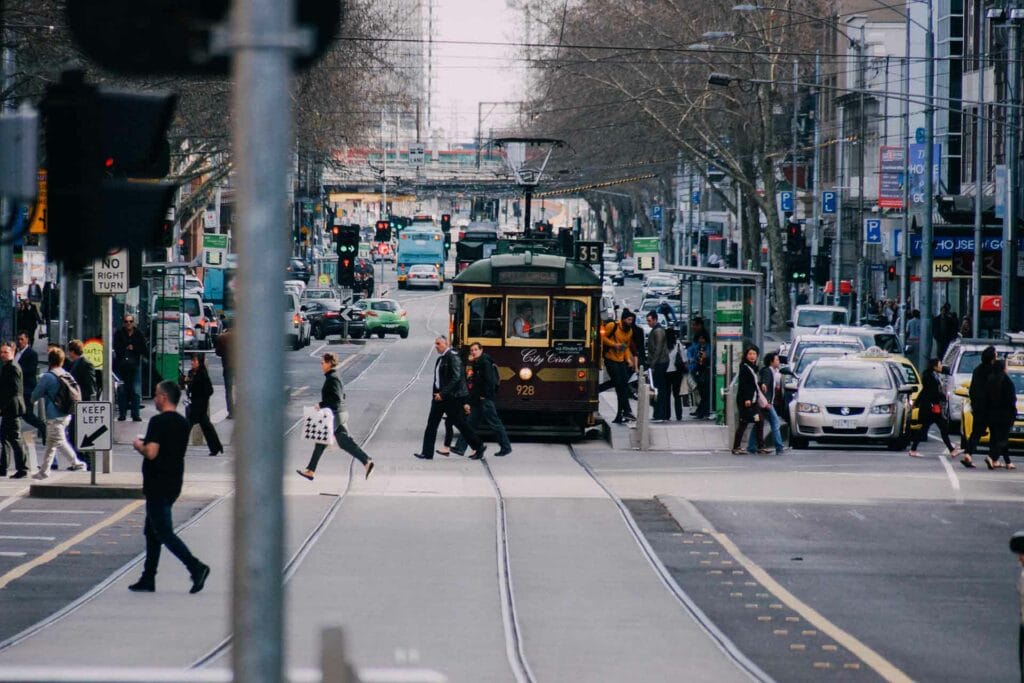
I’ll cover this properly in our separate guide to buying a house in Australia as an expat because this area can get a bit complicated. Being an expat doesn’t automatically mean you’re treated as a foreign buyer because your citizenship, residency and visa status all matter.
Foreign buyers and some temporary residents can face additional federal restrictions, Foreign Investment Review Board requirements and state-based taxes or surcharges. The rules can also vary depending on whether you’re purchasing an established home, a new residential property or vacant land.
This is definitely not an area where I’d rely on somebody else’s experience in a Facebook group. If this applies to you, get current legal, tax and lending advice before signing a binding contract. We’ll go into the Foreign Investment Review Board and the rules for foreign buyers in much more detail soon.
17. Buying regionally might completely change what’s possible
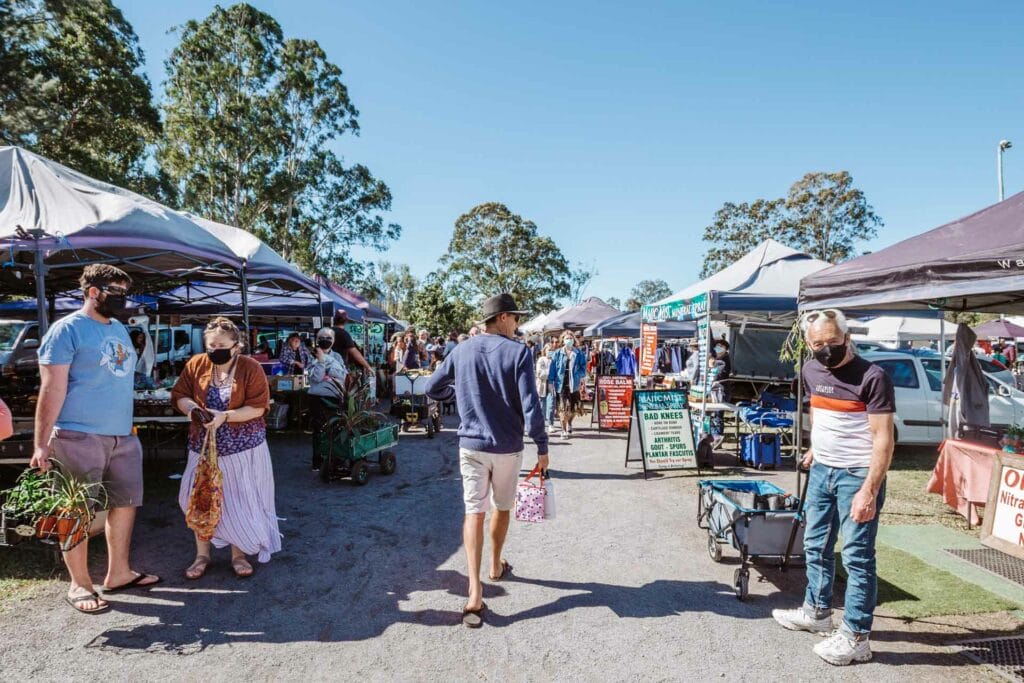
There are people renting in expensive cities who look at local house prices and conclude they’ll never own a home. Maybe they won’t own that particular home in that particular suburb, but that’s different from never being able to buy.
When we recently stayed with friends renting a two-bedroom flat in Manly, it hit us that buying something similar could cost the same or more than the home and lifestyle we now have in the Sunshine Coast Hinterland. If we’d stayed in Sydney, I genuinely think we’d probably still be renting a one or two bed flat.
Moving regional isn’t right for everyone, but for us it gave us more space, home ownership and a much stronger sense of community. If you’re trying to work out whether to keep renting or buy, Hunter Galloway’s mortgage vs rent calculator can help you compare some of the numbers.
18. What I would do differently if we were buying a house in Australia agin
I’d speak to a mortgage broker right at the beginning of the saving process instead of waiting until we thought we were ready. I’d want Hunter Galloway to tell us how much we realistically needed to save, what might affect our borrowing capacity and what we could do over the next few years to put ourselves in a stronger position.
I’d also get mortgage pre approval sooner, understand our comfortable repayments rather than focusing purely on maximum borrowing capacity and accept that house hunting was going to become a full-time job.
I’d build relationships with local real estate agents sooner, look regional earlier, organise our conveyancer before finding the house and always get building and pest inspections.
The main thing I want you to take from this article

If you’re thinking about buying a house in Australia but feel completely overwhelmed, that’s normal. We had no idea what we were doing when we started, and I think we made the process harder by believing we needed to be financially “ready” before asking for help.
You don’t need to understand every home loan, know your exact purchase price or have found the perfect suburb. You also don’t need to have saved whatever arbitrary figure you’ve decided means you’re finally allowed to speak to a mortgage broker.
Start the conversation earlier. You might discover you’re closer than you thought, or you might find out you need another two years. Maybe moving regional completely changes your options, maybe there are low deposit loans or grants that could apply to you, or maybe the numbers confirm that renting is right for now.
If I could go back, I’d have booked a free initial call with Hunter Galloway years before we eventually bought so we knew what we were working towards.
Quick checklist for buying a house in Australia
Before you seriously start your property search for buying a house in Australia, answer these questions:
- How much house deposit have you already saved and what should you be working towards?
- What is your borrowing capacity and what repayments are you comfortable with?
- Can you get mortgage pre approval?
- Are any first home buyer grants or low deposit schemes relevant to you?
- Have you allowed for stamp duty and other upfront costs?
- Have you budgeted for council rates, insurance and other ongoing costs?
- Do you have a conveyancer or solicitor ready?
- Are you buying by private treaty, private sale or auction?
- Have you organised building and pest inspections?
- Do you understand the contract of sale, cooling off period and finance conditions?
- Are you prepared for the settlement period and settlement date?
- Are you buying the right house, or are you just desperate for the property search to end?
FAQs about buying property in Australia
How much deposit do I need?
A 20% house deposit can help you avoid lenders mortgage insurance, but not every home buyer needs to wait until they’ve saved 20%. Some lenders offer low deposit loans, while eligible buyers may also have access to government programs and grants. Hunter Galloway’s deposit calculator can give you an initial idea, but I’d then speak to a broker about what the figures actually mean for you.
What is mortgage pre approval?
Mortgage pre approval is an indication that a lender may be prepared to lend you up to a certain amount based on your finances. It helps set an affordable price range but isn’t the same as final approval.
Do I need building and pest inspections?
For an established home, I personally wouldn’t skip them. One inspection caused us to walk away from a house we loved, and I’m incredibly glad we did.
What happens on settlement date?
Settlement is when the financial and legal parts of the property purchase are completed. The remaining funds are transferred, the property title moves into your name and you officially become the owner.
Why we chose Hunter Galloway as our mortgage brokers

This article is produced in partnership with Hunter Galloway, but importantly, we were Hunter Galloway clients before this partnership existed. We spoke to several mortgage brokers before choosing them, and one of the main things that drew us to Hunter Galloway was their online content. We’d spent a lot of time watching the Hunter Galloway YouTube channel before we ever became clients, and I loved that they made an intimidating subject much easier to understand.
Once we started buying, they became the people we trusted most throughout the process. They helped us as plans changed, when we pulled out of properties and eventually when we tried to get back into the house we now live in. They genuinely went above and beyond for us, which is why we felt comfortable partnering with them.
If you’d like to get the ball rolling and speak to someone about what you need to do to buy a house in Australia, you can book a free initial call with Hunter Galloway.