Cairns is a tropical regional city, not a beach town enlarged by tourism. More than 150,000 people live here, and the workforce includes healthcare, retail, trades, education and services alongside the visitor economy, so daily life continues well beyond reef boats and hotel precincts.
Population has grown strongly, up about 14% since 2016, and that gives the city a sense of movement rather than stagnation. Schools, hospital care, shopping and the airport are all close, which makes Cairns unusually self-sufficient for somewhere so far from a capital.
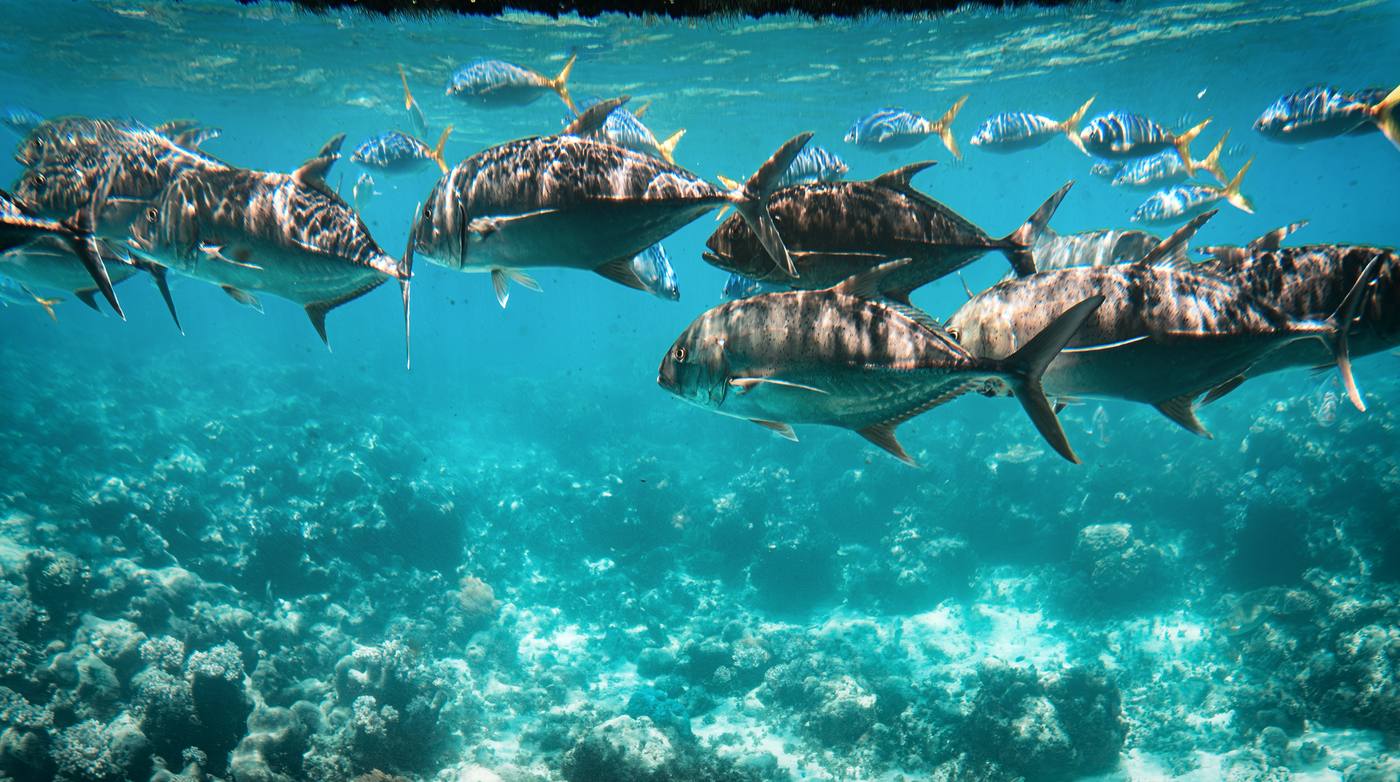
The trade-off is climate: the average daytime temperature is close to 30°C, summers are hot and rainfall is very high. Humidity and wet-season weather are part of the decision, not background detail. The Esplanade Lagoon, reef access and Wet Tropics mean outdoor time can be spectacular, but they coexist with a busy urban centre and a large tourism footprint.
Housing remains below south-east Queensland coastal-city levels, with a median house price around $769,000. Brisbane is more than 20 hours away by road, so flying is the realistic link south. Cairns suits people who want full regional-city services and tropical outdoor access, and who are genuinely comfortable living in the climate that makes both possible.